


As electric power systems continue evolving, utilities are facing increasing operational complexity. The rapid expansion of renewable energy resources, battery energy storage systems, and digitally connected infrastructure is transforming how electricity is generated, transmitted, and managed. While these technologies are accelerating the transition toward cleaner energy, they also introduce new challenges related to grid stability, operational efficiency, and system resilience.
To address these challenges, researchers are increasingly investigating the role of artificial intelligence (AI) and machine learning (ML) in modern power systems. By analyzing large volumes of operational data, AI algorithms can improve renewable energy forecasting, identify abnormal system conditions, optimize equipment performance, and provide engineers with faster, data-driven insights. Rather than replacing conventional engineering practices, these technologies are emerging as valuable decision-support tools that enhance the reliability and efficiency of increasingly complex electrical networks.
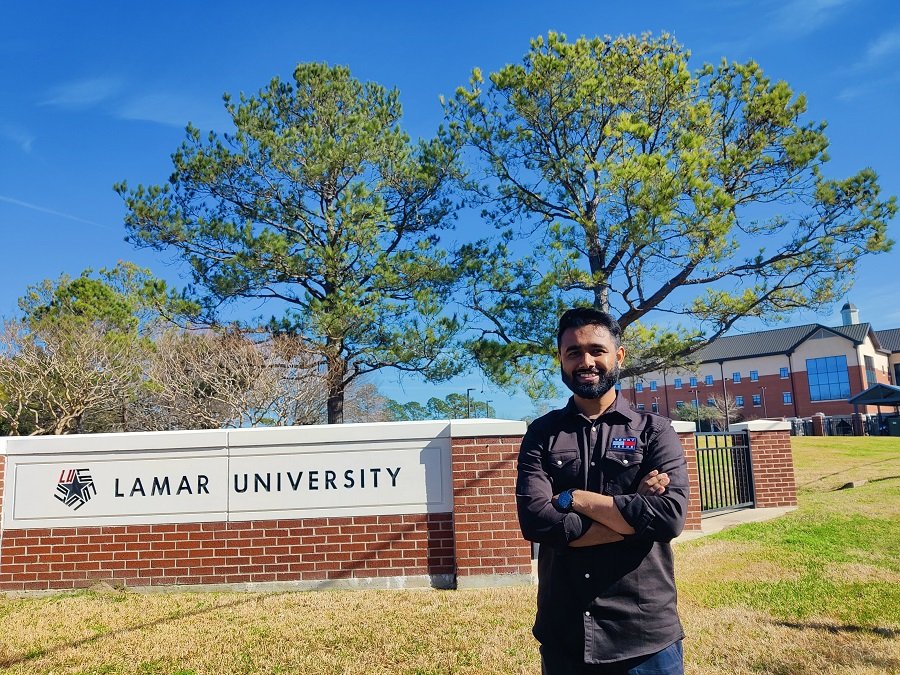
Among the researchers contributing to this growing field is Arif Mia, an electrical engineer whose research focuses on applying artificial intelligence and machine learning to improve power system operation and renewable energy integration. His published studies explore topics including AI-assisted grid stability analysis, intelligent microgrid forecasting, and computational approaches that support more reliable and resilient electric power systems.
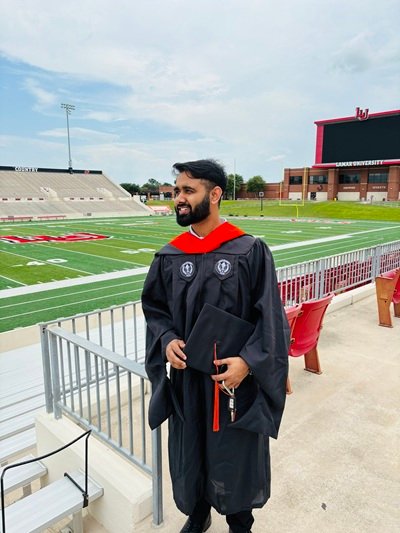 Mr. Mia earned his Master of Engineering in Electrical Engineering from Lamar University, where his graduate research focused on power electronics, intelligent control systems, and renewable energy applications. He currently serves as an Electrical Field Service Engineer at Siemens Energy, working on the commissioning, testing, and validation of generator excitation systems used in utility-scale power plants. His experience in both academic research and utility-scale engineering provide a practical perspective on the technical challenges associated with operating modern electric power infrastructure.
His research follows a consistent objective: applying intelligent computational methods to solve real-world engineering problems. As electric grids become more dependent on renewable generation and digitally controlled infrastructure, AI-based analytical tools are expected to play an increasingly important role in helping utilities improve operational awareness, strengthen grid resilience, and support informed engineering decision-making.
“Artificial intelligence has the potential to become an important decision-support tool for power system engineers. My goal is to develop practical AI methods that complement engineering expertise and help utilities operate increasingly complex electric grids more reliably and efficiently,” said Arif Mia.
Industry experts believe that the modernization of electric power systems will depend on close collaboration between academic researchers, equipment manufacturers, utilities, and practicing engineers. Research that combines artificial intelligence with a strong foundation in power engineering is expected to play an increasingly important role in supporting renewable energy integration, improving infrastructure resilience, and enhancing the long-term reliability of the electric grid.
As the energy sector continues to embrace digital technologies, researchers working at the intersection of artificial intelligence and electrical engineering are helping shape the future of intelligent power systems. Through continued research and practical engineering experience, Arif Mia aims to contribute to the development of technologies that enable a smarter, more resilient, and more sustainable electric grid.